AI-assisted analysis. The analysis and summaries on this site were produced with generative AI from the budget documents. They can contain errors. Check any figure against its source page before you rely on it. Check figures against their source pages.More
Home / Gazette: Subjects and Functions of the Ministers
Gazette: Subjects and Functions of the Ministers
Which minister is responsible for what. This is the notification of 25 November 2024, minister by minister, with the amendments of 18 October 2025 laid on top.
Ministers
25
24 in the 2024 notification, 1 added in 2025.
Changed in October 2025
21
80 amendment clauses in all.
Items inserted
72
Marked in green where they now sit.
Items omitted or replaced
38
Struck through, so you can see what left.
Move on to see every minister, with the flow of money on one side and the minister's subjects, institutions and laws on the other.
Where This Comes from
Names, portfolios and photographs of ministers are from the Directory of Members of the Parliament of Sri Lanka, as listed on 14 November 2026; 22 of 25 headings matched a member, 3 are held by the President (each linked to the official page that says so), and 32 deputy minister entries are shown. Photographs belong to Parliament. A change of minister after that date is not shown here.
The President is not a Member of Parliament, so the portfolios he holds are taken from the Cabinet Office list of the present Cabinet; the Budget Speech 2027 also names him as Minister of Finance, Planning and Economic Development. His photograph is from the Ministry of Defence website. Deputy ministers are from Parliament's list of deputy ministers; a deputy whose title covers part of a ministry (for example Tourism, or Power under Energy) is shown under that ministry. The Gazettes themselves name no minister or deputy.
Website links: 23 ministries and 322 institutions are linked to their own official websites, each opened and checked on 14 November 2026. A name without a link means no official site could be confirmed, not that none exists.
Point at the Amended 2025 tag on a card to read its clauses. Amendments that apply only to the Sinhala or Tamil text are named there but not marked on the English lists. The marking is automatic and can miss a clause; the notices are the authority.
269 institutions show the logo found on their own official website. 210 laws are linked to their text at the Government Printer, documents.gov.lk; the site holds Acts from 1980 onwards, so older Ordinances and Laws have no link, and where it publishes only the Sinhala or Tamil text the link says so.
Omitted 2025Inserted 2025Replaced 2025 with New text 2025Select a mark to open that clause in the amendment notice. The full documents: 2024 notification, 2025 amendments.
Follow the Money: Minister, Department, Type of ExpenseAll 180 budget heads in the 2027 estimates, grouped under the minister the Gazette gives them. Each band is as thick as its money. Select a band to go one level deeper, down to single types of expense. The Finance minister's share includes interest and repayment of public debt.
1.Formulation, implementation, monitoring and evaluation of policies, strategies, programmes, and projects, in relation to the subject of defence, disaster management and response, and those subjects that come under the purview of Departments, Statutory Institutions and Public Corporations listed in Column II based on the national policies implemented by the government.
2.Provision of relevant public services under the purview of the Ministry in an efficient and people friendly manner.
3.Reforming all systems and procedures using modern management techniques and technology, thus ensuring that the functions of the Ministry are fulfilled while eliminating corruption and waste.
4.Ensuring national security.
5.Maintenance of internal security.
6.Upgrading the prevailing integrated intelligence mechanism in trustworthy and efficient manner to ensure national and internal security.
7.Establishment and operationalization of the National Security Advisory Board.
8.Maintenance of relations with visiting Armed Forces
9.Extension of cooperation to international humanitarian operations
10.Performing responsibilities related to explosives, firearms, offensive weapons and chemical weapons
11.Performing responsibilities related to maintenance of light houses (other than those belonging to the Ports Authority)
12.Provision of defence education and post-service education for defence service personnel
13.Provision of higher education for defence service personnel
14.Matters relating to private security services
15.Enhancing excellence in the defence sector by integrating knowledge of national security with science, technology, and innovation
16.Technical updating of the Sri Lanka Navy and the Sri Lanka Coastal Guard and the enactment of relevant laws to ensure security and stability of the Exclusive Economic Zone (EEZ) of Sri Lanka
17.Rescue operations and administration of Coast Guard Service
18.Matters relating to Extradition
19.Matters relating to veteran and disabled soldiers
20.Provision of weather and climate related services
21.Conducting meteorological surveys and research
22.Landslide disaster management and related research and development
23.Forecasting natural disasters and sensitizing relevant sectors and institutions
24.Coordination of awareness programmes on natural and man-made disasters
25.Conducting rescue operations during natural and man-made disasters
26.Promotion of disaster resilient construction and provision of technical guidance
27.Encouraging research and development in relation to appropriate technology for housing and construction sector
28.Regulating telecommunication affairs to promote sustainable development of telecommunication industry by ensuring public interest in the increasingly competitive market Replaced 2025
28.Ensuring safety of navigation through conducting hydrographic surveys, producing nautical charts, and updating navigation information for maritime safety, and regulating hydrographic related activities in accordance with the International Convention for the Safety of Life at Sea 1974, within waters under the jurisdiction of Sri Lanka. New text 2025
29.Ensuring national and international maritime safely within the Sri Lanka Exclusive Economic Zone by assuring availability of maritime hydro- spatial data
30.All other subjects that come under the purview of Institutions listed in Column II
31.Supervision of all the Institutions listed in Column II
1.Formulation, implementation, monitoring and evaluation of policies, strategies, programmes and projects, in relation to the subjects of finance, planning, and economic development and those subjects that come under the purview of Departments, Statutory Institutions and Public Corporations listed in Column II based on the national policies implemented by the government
2.Provision of public services under the purview of the Ministry in an efficient and people friendly manner
3.Reforming all systems and procedures using modern management techniques and technology, thus ensuring that the functions of the Ministry are fulfilled while eliminating corruption and waste
4.Formulation of national economic and financial policies and strategies
5.Preparation of National Development and Public Investment Programmes ensuring investment of borrowed funds in economically productive development interventions.
6.Formulation of fiscal and macro- fiscal management policies
7.Implementation of appropriate policy measures to ensure sustainable economic growth and stability
8.Execution of appropriate measures to ensure debt sustainability
9.Maintaining transparency and accountability in public financial management.
10.Facilitation, coordination and monitoring of the implementation of cross-sectoral national policy priorities.
11.Function as the focal point for facilitation and coordination of international and regional trade integration including bilateral and multilateral trade agreements and resolution of disputes arising from these agreements. Omitted 2025
12.Preparation of the annual budget and management of financial resources
13.Ensuring the execution of the national budget and enforcing budgetary and financial controls
14.Ensuring efficiency, effectiveness and accountability in tax administration through policy and technological transformation
15.Coordination and facilitation of public-private partnerships for sustainable economic development
16.Preparation of a time bound action plan to enhance active engagement of youth in the economic process
17.Coordination with international agencies and mobilization of foreign resources for economic development
18.Liaising with donor agencies and international financial institutions
19.Monitoring and evaluation of public investments
20.Enforcement of Government Financial Regulations
21.Management of the Consolidated Fund
22.Overall supervision of revenue agencies
23.Provision of direction and guidance to State Banks and Financial Agencies
24.Public expenditure management
25.Maintenance of information on state property such as vehicles, buildings, lands owned by all government institutions, and development of methods to utilize such resources efficiently and effectively
26.Supervision of departmental and other public funds
27.Maintenance of Treasury Minutes on reports of the Public Accounts Committee
28.Cadre management for an efficient and productive public service and providing advisory services on fixing of salaries and wages
29.Revenue collection and expenditure monitoring
30.Formulation of guidelines for the promotion of management audit in departments
31.Regulation of insurance industry
32.Financial administration of Public Corporations, Statutory Boards and Government Owned Companies
33.Development of Colombo Port City Special Economic Zone with the objective of national welfare and economic development
34.Formulation of policies, strategies, programmes and projects to enhance regional trade and investment cooperation.
35.Promotion of economic potential in Sri Lanka and thereby promote foreign direct investment and private sector investment
36.Promotion, regulation and monitoring of economic development zones
37.Institutions from item No. 56 to No. 62 in Column II are being reviewed Replaced 2025
37.Institutions from 57 to 63 in Column II are reviewed. New text 2025
38.All other subjects that come under the purview of Institutions listed in Column II
39.Supervision of all the Institutions listed in Column II
1.Formulation, implementation, monitoring and evaluation of policies, strategies, programmes and projects, in relation to the subject of energy, and those subjects that come under the purview of Departments, Statutory Institutions and Public Corporations listed in Column II based on the national policies implemented by the government
2.Provision of public services under the purview of the Ministry in an efficient and people friendly manner
3.Reforming all systems and procedures using modern management techniques and technology, thus ensuring that the functions of the Ministry are fulfilled while eliminating corruption and waste
4.Exploration, planning, development and supervision of activities relating to generation of renewable energy, electricity and other energies from sources such as solar, water, thermal, coal, waste and wind
5.Meeting the electricity needs of Sri Lanka and safeguarding energy security
6.Management of demand to ensure energy efficiency
7.Implementation of a power generation plan based on long- term requirements
8.Making the power transmission and distribution processes efficient
9.Creation of a smart network to ensure maximizing efficient use of generated electricity.
10.Reduction of costs for generating electricity and removal of uncertainties during generation
11.Implementation of appropriate programmes for replacing the existing high cost sources of electricity generation with low-cost, environment-friendly, renewable sources
12.Ensuring that local companies get equal opportunities for investing in national renewable energy projects
13.Increasing energy generation using industrial waste
14.Establishing micro-grid networks as energy units based on the cooperative principles
15.Establishing strategic partnerships and investment opportunities in the energy sector
16.Encouraging re-investment in small-scale hydro power generation, specially by renewing existing agreements
17.Introduction of a fairer and transparent method for updating the electricity bill and application of price formula for petroleum and gas
18.Implementation of a power generation plan based on long term requirements
19.Taking necessary steps to reduce the losses at the institutional management level and technical damages that occur to the electricity generation and distribution system
20.Facilitating and encouraging to use electric vehicles
21.Taking measures to make Sri Lanka as an Energy Trading Hub
22.Controlling greenhouse gas emissions
23.Rural electrification
24.Coordination and implementation of import, refining, storage, distribution and sale of petroleum-based products and natural gas
25.Matters relating to petroleum production and refining
26.Exploration of petroleum and natural gases and related activities
27.Matters relating to production of gas and by-products from petroleum production sources, maintenance of stocks, production and distribution
28.Development of infrastructure facilities in relation to the supply and distribution of fuel
29.Formulation of an appropriate energy policy for the control, regulation and utilization of energy resources
30.Improving the capacity of oil refining and encouraging associate industry on petroleum by-products
31.Improving the reliability, continuity and efficiency in the supply of fuel.
32.Matters relating to all other subjects assigned to Institutions listed in Column II
33.Supervision of the Institutions listed in Column II
1.Formulation, implementation, monitoring and evaluation of policies, strategies, programmes and projects, in relation to the subject of agriculture, livestock, land, and irrigation and those subjects that come under the purview of Departments, Statutory Institutions and Public Corporations listed in Column II based on the national policies implemented by the government.
2.Provision of public services under the purview of the Ministry in an efficient and people friendly manner
3.Reforming all systems and procedures using modern management techniques and technology, thus ensuring that the functions of the Ministry are fulfilled while eliminating corruption and waste.
4.Improving efficiency of food production in such a way as to ensure food security in the country
5.Ensuring the providing of safe and healthy food by means of quality agricultural products
6.Promotion of the production of food that can be efficiently cultivated locally
7.Promotion of the local cultivation of suitable crop substitutes for imported crops
8.Promotion of export agri- villages
9.Implementing and maintaining a real-time agricultural data base
10.Utilization of new technology for maintenance of stocks and ensuring effective supply chain
11.Taking necessary measures to enhance agricultural production based on crops diversification
12.Formulation of strategies to guarantee to the consumer community the quality of local agricultural products
13.Directing traditional farmers, youth and students towards agricultural education opportunities with modern technology
14.Encouraging the development of young agricultural entrepreneurs
15.Regulating of chemical pesticides and other chemical compounds with specific standards
16.Expansion of farmers’ pension schemes and crop insurance schemes for those engaged in agricultural activities
17.Ensuring of a reasonable price to farmers’ production by strengthening supply chains
18.Minimizing adverse effects of natural disasters by communicating information related to climatic changes and daily weather reports to farmers
19.Implementing methodologies to provide quality seeds and plants to farmers
20.Water management and management of water supply according to farmer requirements
21.Popularizing agricultural development zones, agricultural villages and farmer- administered co-operatives and farmer companies
22.Implementation of programmes for promoting and uplifting small scale agri- businesses and organizations
23.Expanding and encouraging programmes for the gradual orientation towards use of organic fertilizer and toxic free food production
24.Efficient implementation of quality fertilizer import and distribution within the government subsidy policy
25.Formulating methodologies for the timely distribution of standardized chemical fertilizer and environmental friendly organic fertilizer
26.Encouraging production of organic fertilizer using local raw materials according to international standards
27.Implementation of a fair pricing policy and crop diversification programme that is acceptable to the local farmer and consumer
28.Implementation of a systematic mechanism for storage of surplus production
29.Implementation of a programme for export of value added agro products
30.Introducing a domestic seed policy for production of quality seeds to international standards
31.Encouraging the private sector to produce quality seeds and planting materials
32.Developing government farms and seed production farms
33.Minimizing food imports by maximizing local production
34.Provision of necessary facilities to enhance production in the livestock sector
35.Animal welfare and related activities
36.Implementation of necessary steps to expand livestock related research by using modern technology leading to qualitative and quantitative increase in production.
37.Popularization of scientific breeding methods for the improvement of animal population in the livestock sector and activities related to protection and quarantine of such animals against diseases
38.Encouraging the development of small and medium scale farms to suit different geographical regions
39.Promotion of livestock related products and encouragement for exportation
40.Providing required land and investment facilities to construct medium and large scale cattle farms
41.Expanding opportunities for local production and consumption by promoting small and medium-scale livestock producers
42.Administration and personnel management of the Sri Lanka Animal Production and Health Service
43.Facilitating the cultivation of maize required for local demand including animal feed
44.Administration and personnel management of Sri Lanka Agricultural Service
45.Administration and management of state lands
46.Formulation of a new legal framework for effective land administration and management
47.Implementation of national land use plan
48.Establishment of a national land council
49.Matters relating to land settlement and registration of land titles
50.Efficient allocation of land required for the country’s development
51.Implementation of an integrated land information infrastructure connecting all local government authorities and land management institutions
52.Acquisition of lands required for government activities
53.Administration of lands vested in the Land Reform Commission and distribution of land in accordance with the law
54.Land surveying and mapping, provision of land information and related services
55.Preparing and updating a database on lands vested to the Government and the Land Reforms Commission
56.Development of Irrigation Industry in Sri Lanka
57.Provision of a systematic water supply by construction of irrigation and drainage systems and their proper maintenance
58.Controlling flood and drainage through flood control schemes
59.Monitoring, forecasting and early warning of floods in major river basins
60.Proper management of reservoirs and irrigation facilities required for electricity supply and drinking water whilst giving priority for agricultural development in principle.
61.Determining catchment areas and river basins and taking necessary measures for their sustainable conservation and development
62.Developing strategies for controlling water pollution and protection of water quality
63.Mitigating the pollution of water sources such as rivers, canals and tanks
64.Implementation of irrigation development programmes
65.Formulation of dam safety measures
66.Implementation of sea water exclusion schemes
67.Formulation of programmes and projects for the conservation of underground water resources and rain water conservation
68.Implementation of development programmes in Mahaweli zones and land related activities
69.Development of local crops such as cinnamon and pepper for the export market under the Sri Lanka Brand instead of re- export
70.Matters relating to all other subjects assigned to Institutions listed in Column II
71.Supervision of all Institutions listed in Column II
All other legislations pertaining to the subjects specified in Column I and II that have not been specifically brought under the purview of any other Minister
1.Formulation, implementation, monitoring and evaluation of policies, strategies, programmes and projects, in relation to the subjects of justice, national integration and those subjects that come under the purview of Departments, Statutory Institutions and Public Corporations listed in Column II based on the national policies implemented by the government.
2.Provision of public services under the purview of the Ministry in an efficient and people friendly manner
3.Reforming all systems and procedures using modern management techniques and technology, thus ensuring that the functions of the Ministry are fulfilled while eliminating corruption and waste.
4.Making necessary reforms required to the legal system taking into consideration social requirements and global trends.
5.Re-documentation and consolidation of laws
6.Matters relating to the administration of the courts of justice which have not been assigned to any other party by the Constitution.
7.Conducting all activities relating to overall administration, including prevention of law’s delays in the courts system, in a methodical and efficient manner, and introduce modern technology for such purpose
8.Criminal prosecutions and civil proceedings on behalf of the government
9.Providing legal advice to the government and to all government departments
10.Drafting of legislation
11.Making recommendations to grant pardons, commutations, remissions, respites and suspensions in relation to sentences passed on any offender
12.Formulation and implementation of an appropriate programme to enhance the effectiveness and efficiency of the overall Quazi system
13.Administration of labour tribunals and other related matters
14.Empowering the Mediation Boards mechanism to resolve civil disputes without resort to the courts
15.Providing the latest knowledge and technical training on law enforcement procedures and mechanisms to relevant persons
16.Conducting activities relating to the provision of assistance to and protection of victims of crime and witnesses.
17.Taking steps to amend the Constitution to suit the current needs while ensuring that the sovereignty of the people and national security are safeguarded.
18.Conducting activities relating to the drafting of a new Constitution
19.Formulation and implementation of policies, plans and programmes in relation to prison reforms
20.Prison administration and reforms
21.Developing infrastructure and minimize overcrowding of prisons
22.Rehabilitation of prisoners
23.Activities relating to community based correction projects
24.Implementation of programmes and projects for rehabilitation of persons physically and mentally affected by conflicts
25.Implementation of programmes for re-integration of persons involved in terrorist activities
26.Matters relating to all other subjects assigned to Institutions listed in Column II
27.Supervision of all Institutions listed in Column II
All other legislations pertaining to the subjects specified in Col- umn I and II that have not been specifically brought under the purview of any other Minister
Also under this ministry in the Appropriation Bill 2027, but not listed in the Gazette: 1 budget head, Rs. 20.6 bn in 2027.
1.Formulation, implementation, monitoring and evaluation of policies, strategies, programmes and projects, in relation to the subjects of education, higher education and vocational education, and those subjects that come under the purview of Departments, Statutory Institutions and Public Corporations listed in Column II based on the national policies implemented by the government.
2.Provision of public services under the purview of the Ministry in an efficient and people friendly manner
3.Reforming all systems and procedures using modern management techniques and technology, thus ensuring that the functions of the Ministry are fulfilled while eliminating corruption and waste.
4.Formulation and implementation of sectoral policies relating to education development so as to ensure good rapport between early childhood, primary, secondary and tertiary divisions
5.Creation of a National Education System that will enable Sri Lankan children and youth to access global challenges with self-confidence and success.
6.Provision of policy guidance for the preparation of a clear road map from pre-school education to the completion of higher education
7.Formulation and implementation of a national policy for pre- schools
8.Ensuring the right of every child to access education
9.Popularizing extracurricular activities in schools to prepare children as citizens who can make a positive contribution to the national economy and fulfil social responsibilities actively
10.Provision of physical and human resources needed for National Schools
11.Regulation of international and private schools in conformity with the national education policy
12.Taking policy measures for proper maintenance of quality of education, student discipline and morals.
13.Adoption of measures to ensure education opportunities for students with special needs
14.Taking necessary actions to promote national language and link language education
15.Promotion of Buddhist and Pali Studies and upliftment of Piriven education to meet the objectives of religious education
16.Human resources management and administration of the Sri Lanka Education Administrative Service, Principal Service, Teachers Service and other educational services
17.Promotion and Development of school libraries
18.Implementation and direction of programmes for the provision of school text books, uniforms, other student necessities and facilities.
19.Development of all physical facilities including sanitary facilities, student-friendly classrooms, teachers’ residential and restroom facilities in all schools
20.Development and promotion of the use of modern technological facilities for learning and teaching
21.Formulation and implementation of strategies to enhance the trend towards vocational education
22.Creation of opportunities to acquire vocational education regardless of educational qualifications
23.Modernization of industrial and technical education for the purpose of creating a workforce suitable for the local and foreign employment market
24.Formulation of policies and provision of facilities to enable students who do not qualify to obtain university education after leaving school to broaden their opportunities for vocational education
25.Promotion of apprenticeship training opportunities
26.Transforming suitable vocational training institutions into Technology Degree Awarding institutions.
27.Increasing the existing National Vocational Qualification level from current 7 to 10 and amending the Sri Lanka Qualification Framework accordingly
28.Amending vocational training curricula to incorporate subjects such as Entrepreneurship, Information Technology, English and other languages into vocational education courses.
29.Expanding vocational training opportunities through the use of mobile technical education services.
30.Preparing students to work in various technical fields, by introducing vocational education stream from year 10 to year 13.
31.Merge nursing schools in to a national nursing university.
32.Facilitating research institutions to collaborate with international research institutions
33.Formulating an efficient mechanism to utilize innovations and outcomes of research
34.Taking steps to expand scientific, industrial, social and economic research and development activities
35.Motivating and directing communities towards innovation
36.Management and development of State Universities under the administration of the University Grants Commission
37.Eliminating delays in university enrolment.
38.Provision of necessary infrastructure facilities for tertiary education institutions.
39.Provision of necessary financial and physical resources to strength post graduate education and research.
40.Affiliation and promotion of cooperation with international academic institutions and other organizations with the objective of improving the quality of higher education in Sri Lanka
41.Identification and adoption of appropriate criteria in broadening avenues for higher education
42.Revising curricula within overall Education Reforms Policy to prepare graduates for domestic and foreign job markets
43.Facilitating and encouraging research and innovation in university education
44.Implementation of scholarship programmes to enable qualified students in Sri Lanka to enter the international universities
45.Regulation and accreditation of private and international universities and institutions of higher education operating in Sri Lanka
46.Uplifting Buddhist and Pali studies and provision of facilities required for higher education of Bhikkus
47.Introduction of educational reforms to cover the overall education sector in line with global requirements
48.Expansion of distance learning opportunities by use of Information Technology
49.Training of teachers and enhancement of their skills to produce teachers required to ensure effective learning and teaching process
50.Matters relating to all other subjects assigned to Institutions listed in Column II
51.Supervision of all Institutions listed in Column II
Sri Lanka Institute of Advanced Technological Education Act No. 29 of 1995
All other legislations pertaining to the subjects specified in Col- umn I and II that have not been specifically brought under the purview of any other Minister
1.Formulation, implementation, monitoring and evaluation of policies, strategies, programmes and projects, in relation to the subjects of women and child affairs and those subjects that come under the purview of Departments, Statutory Institutions and Public Corporations listed in Column II based on the national policies implemented by the government.
2.Provision of public services under the purview of the Ministry in an efficient and people friendly manner
3.Reforming all systems and procedures using modern management techniques and technology, thus ensuring that the functions of the Ministry are fulfilled while eliminating corruption and waste.
4.Implementation of Women’s Charter
5.Formulation and implementation of strategies to enhance women’s participation and representation in decision making in state affairs and the political field
6.Adoption of necessary measures for the empowerment of women affected by conflicts and poverty
7.Strengthening and implementation of laws and policies for the prevention of women and child abuse
8.Amending existing laws and formulating and implementing new laws and policies to prevent discrimination against women on the basis of sex and gender
9.Formulation and implementation of policies and programmes for the empowerment of women headed households
10.Accomplishment of Sustainable Development Goals in relation to women and child affairs
11.Introducing gradual legal and policy reforms to bring minimum 50% of women’s representation in political structures
12.Combatting period poverty by providing necessary tax reliefs, financial and other support.
13.Reducing the burden of unpaid care work on women
14.Formulation of policies and programmes on early childhood protection and development aimed at bringing up physically and mentally healthy children
15.Development and implementation of programmes and projects in line with international standards to protect the rights of vulnerable children
16.Implementation of the Children’s Charter
17.Regulating Child Care Centres
18.Implementation of the Sevana Sarana Foster-Parent Scheme
19.Providing financial assistance for developing the skills of exceptionally talented children
20.Revising discriminatory laws that oppress women and children.
21.All other subjects that come under the purview of Institutions listed in Column II
22.Supervision of all Institutions listed in Column II
Children and Young Persons Ordinance, No. 48 of 1939
All other legislations pertaining to the subjects specified in Column I and II that have not been specifically brought under the purview of any other Minister.
1.Formulation, implementation, monitoring and evaluation of policies, strategies, programmes and projects, in relation to the subjects of Trade, commerce, food security and co-operative development and those subjects that come under the purview of Departments, Statutory Institutions and Public Corporations listed in Column II based on the national policies implemented by the government
2.Provision of public services under the purview of the Ministry in an efficient and people friendly manner
3.Reforming all systems and procedures using modern management techniques and technology, thus ensuring that the functions of the Ministry are fulfilled while eliminating corruption and waste
4.Function as the focal point for facilitation and coordination of international and regional trade integration including bilateral and multilateral trade agreements and resolution of disputes arising from these agreements. Inserted 2025
4.Ensuring the supply of food and other essential items at a fair price sufficiently and continuously in the local market
5.Preventing shortages of goods due to market imbalances
6.Expanding the supply of quality goods in the market through imports and local productions.
7.Broadening the market for local farm products
8.Copyright matters relating to the administration of the International convention on Intellectual Property and the World Intellectual Property Office Inserted 2025
9.Making the process of patent granting efficient Inserted 2025
8.Establish large scale economic and exchange centres at district level
9.Maintaining international trade relations
10.Review existing trade agreements and enter into new ones to increase the share of foreign trade through export diversification
12.Promoting and providing necessary facilities for value- added re-exports and entrepot trading activities
13.Organizing and participating in trade fairs and exhibitions
14.Formulation and implementation of national pricing policies with regard to consumer goods
15.Taking measures to ensure market competitiveness thereby minimizing the market imperfection and encouraging self-regulation
16.Taking measures to protect the consumers by supplying quality products continuously at minimum competitive prices and preventing speculative behaviour of the suppliers
17.Expanding co-operative sales outlet network and people- centric goods and services distribution centres
18.All other subjects that come under the purview of Institutions listed in Column II
19.Supervision of all Institutions listed in Column II
All other legislations pertaining to the subjects specified in Column I and II that have not been specifically brought under the purview of any other Minister
1.Formulation, implementation, monitoring and evaluation of policies, strategies, programmes and projects, in relation to the subject of health, postal services and mass media, and those subjects that come under the purview of Departments, Statutory Institutions and Public Corporations listed in Column II based on the national policies implemented by the government
2.Provision of public services under the purview of the Ministry in an efficient and people friendly manner
3.Reforming all systems and procedures using modern management techniques and technology, thus ensuring that the functions of the Ministry are fulfilled while eliminating corruption and waste.
4.Formulation and implementation of policies required for the maintenance of public health services at a high standard and in a people friendly manner.
5.Formulation and implementation of programmes to improve public health and nutrition.
6.Adoption of necessary measures for the control, prevention and cure of epidemic, communicable and non-communicable diseases.
7.Implementation of rules and regulations in relation to international quarantine and sanitation.
8.Provision of essential physical and human resources to all hospitals.
9.Introducing new strategies for expanding research opportunities in the field of healthcare.
10.Achieving the Sustainable Development Goals relevant to the health service
11.Formulating a methodology to regulate private hospitals, medical services and laboratory services within the framework of a national policy, and for the delivery of a systematic service.
12.Upgrading selected hospitals to the level of National Hospitals, and expanding facilities of Regional and Primary Hospitals
13.Administration and Personnel Management of Sri Lanka Medical Service and other health services
14.Expansion of training opportunities required for the enhancement of quality and skills of medical and para- medical services
15.Implementation of school health services and dental medical services for children
16.General sanitation and railway services sanitation
17.Matters relating to healthcare in the estate sector
18.Matters relating to national blood transfusion services
19.Implementing programmes for the provision and distribution of Thriposha and nutritious food particularly for lactating mothers
20.Operation of the 1990 Suwaseriya Ambulance Service in an efficient manner.
21.Production, import and distribution of drugs with a high standard and in an efficient manner.
22.Manufacture and import of quality drugs
23.Establishment of government owned pharmacies in every town.
24.Prevention of market monopolies and control of drug prices to protect consumers
25.Ensuring the transparency of the procurement process of drug importation
26.Establishment of rehabilitation centers in every district.
27.Establishment of community- based rehabilitation centers.
28.Establishment of Primary Mental Health Care Centers in every Medical Officer of Health Area.
29.Taking steps to preserve and improve traditional medicine
30.Development and regulation of Ayurvedic, Siddha, Unani and Homeopathy medical procedures
31.Production of Ayruvedic, Siddha, Unani and Homeopathy medicinal Drugs
32.Import, sale and distribution of raw material and manufactured drugs required for Ayruvedic, Siddha, Unani and Homeopathy systems of medicine.
33.Establishment and management of hospitals, research and training institutes and pharmaceutical outlets for the improvement of indigenous systems of medicines such as, Ayruveda, Siddha, Unani
34.Regulation of export of medicinal plants and manufactured Ayurvedic, Siddha and Unani drugs
35.Regulation of Ayurvedic drug manufacturers.
36.Launching of projects in coordination with relevant institutions in relation to the promotion of medicinal plant cultivation and improvement of local medicinal drugs
37.Registration of Ayurvedic product manufacturers, Ayurvedic practitioners and Ayurvedic para-medical personnel
38.Establishment, operation and promotion of Ayurvedic Hospitals, Ayurvedic Research Institutes, Training Institutes and Pharmacies
39.Implementing a programme in coordination with and regulated by the Tourist Board to prioritize indigenous traditional and ayurvedic treatment methods for administering treatments to tourists
40.Encouraging research on drugs and treatment methods in relation to indigenous medicine
41.Administration and personnel management of Indigenous Medical Service
42.Adoption of necessary measures to ensure people’s right to accurate information
43.Government printing and publication activities
44.Formulation of strategies to obtain the contribution of the mass media for economic, social and cultural development by developing the knowledge, attitudes and a high sense of appreciation of the people
45.Promotion of the application of modern technology for the use of mass media
46.Introducing a Mass Media Policy
47.Taking necessary measures for the dissemination of state official announcements and news to the public
48.Release of relevant information on Sri Lanka to local and foreign media agencies
49.Provision of information and publicity material to Sri Lanka Missions abroad
50.Taking appropriate measures for production and broadcasting of news, films and documentaries
51.Publicity work including commercial television, radio broadcasting and overseas transmissions
52.Reviewing existing media laws, regulations, agreements, and ethics with a focus on media freedom to develop an optimal media policy
53.Introducing a code of ethics for media institutions and journalists that aligns with international standards and local social contexts.
54.Introducing a systematic programme to appreciate, encourage and enable international recognition to all media personnel including print, audio and visual media
55.Provision of diversified business oriented modern postal service adopting state-of-the-Art technology and management methodologies to maintain efficient domestic and foreign postal services
56.Administration of Sri Lanka Philatelic Bureau
57.All other subjects that come under the purview of Institutions listed in Column II
58.Supervision of all Institutions listed in Column II
All other legislations pertaining to the subjects specified in Column I and II that have not been specifically brought under the purview of any other Minister
1.Formulation, implementation, monitoring and evaluation of policies, strategies, programmes and projects, in relation to the subjects of buddhasasana, religious and cultural affairs, and those subjects that come under the purview of Departments, Statutory Institutions and Public Corporations listed in Column II based on the national policies implemented by the government.
2.Provision of public services under the purview of the Ministry in an efficient and people friendly manner
3.Reforming all systems and procedures using modern management techniques and technology, thus ensuring that the functions of the Ministry are fulfilled while eliminating corruption and waste.
4.Assuring the right to practice Buddhism and all other religions
5.Protecting all rights granted to all religions and taking action against religious extremism
6.Provision of facilities to promote Dhamma School education
7.Conservation and development of sacred areas
8.Implementation and monitoring of programmes in relation to religious and cultural affairs
9.Development of places of religious worship in remote areas.
10.Creation of a digital archaeological encyclopaedia for all religions
11.Systematic management and preservation of state records
12.Effective administration of the Central Cultural Fund
13.Adoption of necessary measures for the advancement of all aspects of the national culture of Sri Lanka
14.Maintenance of cultural relations with foreign countries
15.Extending necessary cooperation for tourism promotion programmes that showcase the pride of cultural and national heritage in a manner that protects cultural and archaeological heritages.
16.Identifying trends in the cultural contribution in building inter-ethnic cooperation and taking necessary measures to implement them
17.Adoption of necessary measures for the conservation of historical, archaeological and cultural heritages
18.Adoption of necessary measures for the promotion of modern and traditional cultural creations and to incentivize artists
19.Identification and implementation of measures for the advancement of aesthetic subjects.
20.Introduction of a mechanism for the payment of royalties in line with international conventions
21.Establishing a national fund for literature, cinema, drama and other arts supported continuously by both the Government and private sector
22.Establishing cultural zones in every major city in collaboration with the institutions for arts and culture
23.Encouraging the translation of world literature and drama scripts to national languages
24.Modernizing and reorganizing National Archives by providing latest technology
25.Creating a structured plan to promote theatre from the grass root level to national level through a network of multipurpose cultural centres
26.Establishing a national institute for research and training in contemporary theatre arts
27.All other subjects that come under the purview of Institutions listed in Column II
28.Supervision of all Institutions listed in Column II
National Museums Ordinance No. 31 of 1942 Inserted 2025
National Library and Documentation Board Act No. 51 of 1988
All other legislations pertaining to the subjects specified in Column I and II that have not been specifically brought under the purview of any other Minister
Named "Minister of Transport, Highways, Ports and Civil Aviation" in 2024. Gazette 2025 · p. 6
The October 2025 notice replaced all three lists. The 2025 lists are shown; the 2024 lists are kept below for comparison. Gazette 2025 · p. 6
Subjects and Functions
1.Formulation, implementation, monitoring and evaluation of policies, strategies, programmes and projects, in relation to the subjects of transport, highways and urban development, and those subjects that come under the purview of Departments, Statutory Institutions and Public Corporations listed in Column II based on the national policies implemented by the government.
2.Provision of public services under the purview of the Ministry in an efficient and people friendly manner
3.Reforming all systems and procedures using modern management techniques and technology, thus ensuring that the functions of the Ministry are fulfilled while eliminating corruption and waste
4.Improving and maintaining a high quality national highway system that promotes people-centered economic and social development by enhancing rural, pre-city and urban connectivity
5.Development, maintenance, toll setting, collection and regulation of Expressway
6.Preparation of programmes and projects based on National Policy on Roads belonging to Provincial Councils and Local Government Institutions and coordination and direction of those programmes and projects
7.Establishment of car parks to reduce traffic congestion
8.Development and modernization of rural road network
9.Development of an alternative road system for high level access to major roads and expressways
10.Modernization of bridges connecting road network
11.Providing passenger ferry services
12.Providing a safe and reliable passenger transport service
13.Introducing an environmental friendly transport system
14.Regulating private transport services
15.Establishment of a local industry system related to production of buses and transport sector infrastructure
16.Constructing new railway lines, maintaining and widening existing railway lines, acquisition of lands in relation thereto and infrastructure development and all related matters
17.Setting up and expanding facilities in order to transport goods to the sea ports by train transportation
18.Provision of 24/7 railway service
19.Gradually developing the railway system to have electrified trains
20.Gradually introducing monorail and light railways
21.Formation of cluster bus companies using new technology by integrating state and private bus services
22.Introducing POS ticket machines in all buses
23.Construction of safe cycling lanes within main cities
24.Provision of cycle parking facilities at main train and bus stations and other public places
25.Construction of pedestrian lanes on the sides of roads in main cities
26.Establishing a technical unit to research and advise on promotion of waterway transportation
27.Implementation of passenger and goods transportation services in waterways
28.Provision of special accessibility facilities for disable and elderly in trains and buses, train stations and bus stops
29.Registration and licensing of motor vehicles
30.Issuance of driving licenses
31.Regulation and issuance of guidelines and laws relating to motor traffic
32.Launching strategic programmes in order to harness the contribution of the transport sector to minimize emission of greenhouse gases
33.Planning and development of metropolis and suburbs
34.Systematic promotion and regulation of integrated economic, social and physical development of urban areas
35.Encouraging the private sector to develop affordable housing projects in urban areas and providing appropriate lands for these initiative
36.Management of Urban Solid Waste
37.Adopting measures to prevent the disposal of waste in an irresponsible manner
38.Formulating a programme to regulate all urban constructions
39.Ensuring all urban construction projects provide vehicle parks and access facilities for disabled persons
40.Preparation of National Physical Plans and Regional Physical Plans
41.Directing and regulating all construction activities based on national physical plans to ensure integrated urban development
42.Maintenance and regulation of condominium property
43.Public condominium reforms and transferring ownership of houses efficiently and speedily
44.Matters relating to reclamation and development of low lying areas
45.Providing necessary guidance for the development of underserved areas and marshy lands in urban areas based on a common plan
46.All other subjects that come under the purview of Institutions listed in Column II
47.Supervision of all Institutions listed in Column II
Colombo District (Low Lying Areas) Reclamation and Development Board Act No. 15 of 1968
All other legislations pertaining to the subjects specified in Column I and II that have not been specifically brought under the purview of any other Minister
As it was in November 2024 (Minister of Transport, Highways, Ports and Civil Aviation)
Subjects and Functions
1.Formulation, implementation, monitoring and evaluation of policies, strategies, programmes and projects, in relation to the subjects of transport, highways, ports and civil aviation, and those subjects that come under the purview of Departments, Statutory Institutions and Public Corporations listed in Column II based on the national policies implemented by the government.
2.Provision of public services under the purview of the Ministry in an efficient and people friendly manner
3.Reforming all systems and procedures using modern management techniques and technology, thus ensuring that the functions of the Ministry are fulfilled while eliminating corruption and waste
4.Improving and maintaining a high quality national highway system that promotes people- centered economic and social development by enhancing rural, pre-city and urban connectivity
5.Development, maintenance, toll setting, collection and regulation of Expressway
6.Preparation of programmes and projects based on National Policy on Roads belonging to Provincial Councils and Local Government Institutions and coordination and direction of those programmes and projects
7.Establishment of car parks to reduce traffic congestion
8.Development and modernization of rural road network
9.Development of an alternative road system for high level access to major roads and expressways
10.Modernization of bridges connecting road network
11.Providing passenger ferry services
12.Providing a safe and reliable passenger transport service
13.Introducing an environmental friendly transport system
14.Regulating private transport services
15.Establishment of a local industry system related to production of buses and transport sector infrastructure
16.Constructing new railway lines, maintaining and widening existing railway lines, acquisition of lands in relation thereto and infrastructure development and all related matters
17.Setting up and expanding facilities in order to transport goods to the sea ports by train transportation
18.Provision of 24/7 railway service
19.Gradually developing the railway system to have electrified trains
20.Gradually introducing monorail and light railways
21.Formation of cluster bus companies using new technology by integrating state and private bus services
22.Introducing POS ticket machines in all buses
23.Construction of safe cycling lanes within main cities
24.Provision of cycle parking facilities at main train and bus stations and other public places
25.Construction of pedestrian lanes on the sides of roads in main cities
26.Establishing a technical unit to research and advise on promotion of waterway transportation
27.Implementation of passenger and goods transportation services in waterways
28.Provision of special accessibility facilities for disable and elderly in trains and buses, train stations and bus stops
29.Registration and licensing of motor vehicles
30.Issuance of driving licenses
31.Regulation and issuance of guidelines and laws relating to motor traffic
32.Launching strategic programmes in order to harness the contribution of the transport sector to minimize emission of greenhouse gases
33.Development and management of commercial harbours and expansion of their investment opportunities
34.Development of container yards
35.Development and administration of port oil installations, light houses and beacons, other than those belonging to Admiralty
36.Arbitration of disputes between shipping service providers and users
37.Establishment of rules of competition for shipping services
38.Ensuring and facilitating consultative coordination between shipping service providers and users
39.Receiving wrecks and ocean salvages
40.Facilitating freight and Shipping Services and coast-wise passenger traffic
41.Ship owing, Operating, Ship Managing, Ship Brokering and Agency Services
42.Custom House Agency and total Logistics Solution
43.Developing and regulating International and Domestic Airports
44.Regulating levy of charges and quality of service delivery by airports
45.Entering into agreements with other countries for expansion of international air services and adoption of other requisite measures
46.Promotion and regulation of functions relating to use of airports in Sri Lanka by foreign countries
47.Expansion of air cargo facilities
48.Promotion of domestic air travel
49.Regulation of private air services
50.Registration of Aircrafts
51.All other subjects that come under the purview of Institutions listed in Column II
52.Supervision of the Institutions listed in Column II
Departments, Institutions and Corporations
1.Road Development Authority and its subsidiaries and affiliates
2.Maga Neguma
3.State Development and Construc- tion Corporation
4.National Transport Commission
5.National Council for Road Safety
6.Department of Sri Lanka Railways
7.Lakdiva Engineering (Pvt) Ltd
8.Sri Lanka Transport Board
9.National Transport Medical Insti- tute
10.Department of Motor Traffic
11.Sahasya Investment Ltd
12.Sri Lanka Ports Authority and its Subsidiaries and Associates
All other legislations pertaining to the subjects specified in Col- umn I and II that have not been specifically brought under the purview of any other Minister.
1.Formulation, implementation, monitoring and evaluation of policies, strategies, programmes and projects, in relation to the subject of public security and Parliamentary affairs and those subjects that come under the purview of Departments, Statutory Institutions and Public Corporations listed in Column II based on the national policies implemented by the government
2.Provision of public services under the purview of the Ministry in an efficient and people friendly manner
3.Reforming all systems and procedures using modern management techniques and technology, thus ensuring that the functions of the Ministry are fulfilled while eliminating corruption and waste
4.Maintenance of law and order
5.Implementation of strategies comprising broad reforms that ensure community discipline
6.Adopting measures to prevent and combat various crimes and anti-social activities that have assumed the proportion of a social calamity
7.Controlling of vehicular traffic
8.Implementing necessary reforms to the police services’ performance in ensuring public safety and fostering closer community relations
9.Coordinating the affairs of non-governmental organisations within the national policy framework thereby providing opportunities to contribute to the country’s development process. Replaced 2025
9.Rehabilitation of drug dependent persons and referring to rehabilitation of those who are deemed to be rehabilitated by any other law New text 2025
10.Matters relating to Immigration and Emigration
11.Prevention and control of the use of dangerous drugs
12.Matters relating to Parliament and Members of Parliament requiring action by the Government
13.Establishment matters relating to the staff of the Members of Parliament
14.Matters relating to all other subjects assigned to Institutions listed in Column II
15.Supervision of all Institutions listed in Column II
1.Formulation, implementation, monitoring and evaluation of policies, strategies, programmes and projects, in relation to the subject of foreign affairs, foreign employment and tourism, and those subjects that come under the purview of Departments, Statutory Institutions and Public Corporations listed in Column II based on the national policies implemented by the government
2.Provision of public services under the purview of the Ministry in an efficient and people friendly manner
3.Reforming all systems and procedures using modern management techniques and technology, thus ensuring that the functions of the Ministry are fulfilled while eliminating corruption and waste
4.Maintenance of diplomatic relations with foreign countries broadening the cooperation of Sri Lanka as an active member internationally thereby stabilizing the good image of Sri Lanka abroad
5.Adoption of necessary measures to widen international cooperation in accordance with national policies and; coordination and provision of necessary advice to the government
6.Responding appropriately to counteract adverse propaganda affecting the good image of Sri Lanka and stabilizing the image of Sri Lanka
7.Active engagement with international and regional associations of political, economic, environmental, social and cultural cooperation
8.Maintaining of diplomatic relations with foreign countries, and conducting negotiations in relation to treaties, agreements and conventions
9.Provision of diplomatic immunities and privileges
10.Provision of necessary assistance to relevant Ministries and Institutions for the promotion of external trade, investment, tourism, employment and external financial relations
11.Consolidating foreign relations required for the protection of territorial integrity and maritime rights of Sri Lanka
12.Adoption of necessary measures related to the welfare of Sri Lankan residents in foreign countries
13.Provision of consular services
14.Administration of personnel in Sri Lanka Foreign Service and those attached to overseas diplomatic missions and take measures to enhance their professional skills
15.Studying geo-political trends and advising the government on strategies to be adopted in the management of such trends in a manner beneficial to the interest of Sri Lanka
16.Taking appropriate measures to fulfil the new foreign policy objectives including restructuring the Ministry of Foreign Affairs
17.Evaluating the economically developing, emerging countries and areas and issuing recommendations for opening missions in order to widen international cooperation for economic development
18.Facilitating the efforts on right sizing and quality enhancement of the overseas missions of Sri Lanka to ensure improved trade enhancement, tourism promotion, professional and vocational training and employment opportunities
19.Simplifying and streamlining diplomatic processes to make them more efficient and responsive to the needs of the citizen and the State
20.Empowerment of foreign Embassies to take necessary initiatives in accordance with the overall foreign policy framework of Sri Lanka while ensuring accountability through regular oversight
21.Establishing Sri Lanka Directorate of Cultural Relations under the Ministry of Foreign Affairs for promoting Sri Lankan culture abroad to build “soft power” and foster mutual understanding
22.Restructuring and strengthening of the Diplomatic Training Institute and the Lakshman Kadirgamar Institute of International Relations and Strategic Studies (LKI)
23.Establishment of a robust monitoring and reporting mechanism to review and evaluate the performance of Sri Lankan diplomats, on regular basis
24.Establishing a Consultative body with the Sri Lankan diaspora in every country where considerable number of Sri Lankans are present, with a mandate to engage with the respective Sri Lankan foreign mission and the Ministry of Foreign Affairs
25.Collaborating with relevant institutes to increase and promote foreign employment opportunities and improve the skills required for such employments
26.Introducing legal and regulatory measures required to ensure the security of migrant workers
27.Providing special facilities for expatriate workers and Sri Lankans living abroad to save and invest foreign exchange in Sri Lanka
28.Implementing special projects to enable those who return to Sri Lanka after foreign employment to commence enterprises
29.Implementing programmes to ensure the protection and welfare of housemaids working in Middle East and other countries.
30.Providing remedies for employment issues of migrant workers and maintaining welfare
31.Introducing legal reforms to strengthen the process of obtaining compensation entitled to persons who meet with accidents in foreign countries
32.Regulation of foreign employment agencies
33.Regulation of levy of fees by employment agencies
34.Providing career guidance for foreign employment and adopting measures to ensure welfare of those engaged in foreign employment when they are directed to workplaces by foreign employment agencies
35.Under taking necessary measures to send skilled and trained workers abroad instead of untrained workers
36.Development of the tourism industry and promotion of high standards in line with the national policy while promoting Sri Lanka's image
37.Registration and regulation of travel agencies and those involved in the tourism industry
38.Popularizing Sri Lanka as a unique tourist Island among domestic and foreign tourists highlighting Sri Lanka's biodiversity, historic heritage, environment, climate diversity, oceanic resources etc
39.Promotion of holiday resorts, internationally recognized centres related to conferences, exhibition and entertainment facilities, hotel facilities, air and sea travel for tourists
40.Provision of required facilities to encourage those engaged in the tourism trade and related entrepreneurs
41.Ensuring safety of tourists
42.Preparation of time bound action plans for sustainable usage of natural and cultural resources, developing human resources for the tourist industry, development and standardizing new tourist services, strategic destination promotion etc
43.Facilitating to enhance medical tourism by providing a whole range of medical care and treatments including Ayurvedic therapy
44.Promotion of sports-tourism industry
45.Integration of tourism industry with national and international markets for the visual arts
46.Facilitating to make cultural heritage a significant part of the tourism industry
47.Supervising all Institutions referred to in Column II and matters relating to all subjects assigned to such Institutions
48.Supervision of all Institutions listed in Column II
1.Formulation, implementation, monitoring and evaluation of policies, strategies, programmes and projects, in relation to the subject of environment, wildlife, forest resources, and those subjects that come under the purview of Departments, Statutory Institutions and Public Corporations listed in Column II based on the national policies implemented by the government
2.Provision of public services under the purview of the Ministry in an efficient and people friendly manner
3.Reforming all systems and procedures using modern management techniques and technology, thus ensuring that the functions of the Ministry are fulfilled while eliminating corruption and waste
4.Formulation of policies and plans for environmental conservation and management
5.Taking necessary steps to develop national and international cooperation for the protection of the environment for present and future generations
6.Formulation and implementation of programmes to minimize environmental pollution
7.Formulation of policies and laws and implementation of strategies to create sustainable development with an economy that has least environmental changes and carbon use
8.Creation of a positive attitude among the people on the importance of the sustainable environment concept
9.Issuance of environmental feasibility licenses and reviewing the process
10.Creating an environmentally sensitive population through the popularization of green and smart cities concept
11.Conservation of wetlands and mangrove ecosystems
12.Conservation and protection of forests, wildlife and flora
13.Implementation of a mechanism to minimize damages caused by wild animals to housing, property and cultivations in rural areas
14.Formulation and implementation of a system with the participation of rural community for the protection of villages and settlements in order to prevent human- elephant conflicts
15.Forests and forestry related matters
16.Preservation of forest density and expansion of green cover
17.Promotion of commercial forestry to meet the demand for timber while preserving the forest density of the country
18.Matters relating to all other subjects assigned to Institutions listed in Column II
19.Supervision of all the Institutions listed in Column II
All other legislations pertaining to the subjects specified in Column I and II that have not been specifically brought under the purview of any other Minister.
Named "Minister of Urban Development, Construction and Housing" in 2024. Gazette 2025 · p. 10
The October 2025 notice replaced all three lists. The 2025 lists are shown; the 2024 lists are kept below for comparison. Gazette 2025 · p. 10
Subjects and Functions
1.Formulation, implementation, monitoring and evaluation of policies, strategies, programmes and projects, in relation to the subjects of ports and civil aviation, and those subjects that come under the purview of Departments, Statutory Institutions and Public Corporations listed in Column II based on the national policies implemented by the government.
2.Provision of public services under the purview of the Ministry in an efficient and people friendly manner
3.Reforming all systems and procedures using modern management techniques and technology, thus ensuring that the functions of the Ministry are fulfilled while eliminating corruption and waste
4.Development and management of commercial harbours and expansion of their investment opportunities
5.Development of container yards
6.Development and administration of port oil installations, light houses and beacons, other than those belonging to Admiralty
7.Arbitration of disputes between shipping service providers and users
8.Establishment of rules of competition for shipping services
9.Ensuring and facilitating consultative coordination between shipping service providers and users
10.Receiving wrecks and ocean salvages
11.Facilitating freight and Shipping Services and coast-wise passenger traffic
12.Ship owing, Operating, Ship Managing, Ship Brokering and Agency Services
13.Custom House Agency and total Logistics Solution
14.Developing and regulating International and Domestic Airports
15.Regulating levy of charges and quality of service delivery by airports
16.Entering into agreements with other countries for expansion of international air services and adoption of other requisite measures
17.Promotion and regulation of functions relating to use of airports in Sri Lanka by foreign countries
18.Expansion of air cargo facilities
19.Promotion of domestic air travel
20.Regulation of private air services
21.Registration of Aircrafts
22.All other subjects that come under the purview of Institutions listed in Column II
23.Supervision of the Institutions listed in Column II
All other legislations pertaining to the subjects specified in Column I and II that have not been specifically brought under the purview of any other Minister
As it was in November 2024 (Minister of Urban Development, Construction and Housing)
Subjects and Functions
1.Formulation, implementation, monitoring and evaluation of policies, strategies, programmes and projects, in relation to the subjects of urban development, construction, water supply and housing, and those subjects that come under the purview of Departments, Statutory Institutions and Public Corporations listed in Column II based on the national policies implemented by the government
2.Provision of public services under the purview of the Ministry in an efficient and people friendly manner
3.Reforming all systems and procedures using modern management techniques and technology, thus ensuring that the functions of the Ministry are fulfilled while eliminating corruption and waste
4.Planning and development of metropolis and suburbs
5.Systematic promotion and regulation of integrated economic, social and physical development of urban areas
6.Construction and development of housing complexes for shanty dwellers and low income groups
7.Encouraging the private sector to develop affordable housing projects in urban areas and providing appropriate lands for these initiative
8.Promoting investments from Sri Lankans living abroad in affordable housing projects in urban areas
9.Facilitating provision of affordable housing for residents in low income settlements in Colombo through Government intervention
10.Developing comprehensive housing projects in urban and semi-urban areas including essential facilities
11.Revising the relevant laws to address issues related to land ownership for housing development
12.Management of Urban Solid Waste
13.Adopting measures to prevent the disposal of waste in an irresponsible manner
14.Formulating a programme to regulate all urban constructions
15.Ensuring all urban construction projects provide vehicle parks and access facilities for disabled persons
16.Preparation of National Physical Plans and Regional Physical Plans
17.Directing and regulating all construction activities based on national physical plans to ensure integrated urban development
18.Maintenance and regulation of condominium property
19.Public condominium reforms and transferring ownership of houses efficiently and speedily
20.Matters relating to reclamation and development of low lying areas
21.Providing necessary guidance for the development of underserved areas and marshy lands in urban areas based on a common plan
22.Establishing standards and norms for government quarters and other buildings
23.Implementing housing schemes and housing financial grants programmes to service housing needs of people including low income recipients and particular community groups
24.Providing guidance to rural communities on environmental friendly and cost effective techniques for housing construction
25.Providing mechanical engineering services to government institutions
26.Regulation, registration, regularization and standardization of activities in the construction sector in line with relevant rules and regulations and standards
27.Providing consultancy and regulatory services for the construction industries
28.Providing training on operation and maintenance of heavy construction equipment
29.Developing building material industry
30.Strengthening local construction personnel
31.Strengthening and safeguarding local small and medium scale subcontractors
32.Development of basic infrastructure in remote rural areas using appropriate and sustainable technologies
33.Provision of modern engineering consultancy services to implement construction projects to meet national development goals
34.Taking necessary measures to provide clean drinking water to all citizens.
35.Inspecting water supply services, drainage systems and sanitary facilities, formulating and implementing new plans for them and maintaining them
36.Improvement of water security and urban water supply schemes by coordinating rural tanks and reservoirs and irrigation systems.
37.Prevention of wastage of water in the drinking water distribution system
38.Taking measures to carry out community water supply projects in an efficient and systematic manner
39.Maintenance and improvement of water supply projects to ensure the supply of safe drinking water for the rural population
40.Stabilizing the drinking water supply in rural areas, developing reservoirs
41.All other subjects that come under the purview of Institutions listed in Column II
42.Supervision of all Institutions listed in Column II
All other legislations pertaining to the subjects specified in Column I and II that have not been specifically brought under the purview of any other Minister
1.Formulation, implementation, monitoring and evaluation of policies, strategies, programmes and projects, in relation to the subject of fisheries and aquatic and ocean resources and those subjects that come under the purview of Departments, Statutory Institutions and Public Corporations listed in Column II based on the national policies implemented by the government.
2.Provision of public services under the purview of the Ministry in an efficient and people friendly manner
3.Reforming all systems and procedures using modern management techniques and technology, thus ensuring that the functions of the Ministry are fulfilled while eliminating corruption and waste.
4.Expansion of research & development opportunities in the fisheries and aquatic resources centre
5.Amendments of the laws and regulations, and processes that hinder the fishery industry, in accordance with international conventions, agreements and standards
6.Establishment of a consultation council to manage fisheries and aquaculture activities
7.Taking appropriate measures to discourage illegal fishing activities, minimize ocean pollution, and establish a mechanism for emergency responses and minimization of ocean disasters
8.Promote the sustainable use of ocean resources and establish the modern oceanic industries through a blue economic approach
9.Providing technical support for fisher folk to harvest fish resources in different temperatures and depths.
10.Taking appropriate measures to ensure ownership and access to traditional fishing grounds, including fishing harbors and mesh ports, and develop their infrastructure.
11.Launching a mechanism to provide financial and technical support to revitalize ocean fisheries and fuel subsidy to uplift the collapsed fisheries by reducing the production cost
12.Introducing novel, eco-friendly, and effective fishing technologies
13.Ensure efficient and systematic diplomatic interventions in cases of emergencies where fishing boat crews and vessels encounter issues in foreign waters.
14.Introducing measures to obtain higher values and share in foreign markets for fish- products.
15.Making arrangements to provide technical assistance to diversify the production of sea plants with high demand and under consumption and mediate to find markets for these products.
16.Promotion and expansion of fresh-water fisheries utilizing the network of inland water bodies.
17.Providing financial support to promote entrepreneurs to establish large scale farms with modern technology for harvesting commercial freshwater fish
18.Encouraging production and export of ornamental fish and aquatic plants
19.Making arrangements to provide technical and financial assistance for ornamental aquatic plant production methods.
20.Management and operation of state owned fishing crafts
21.Expansion of market for fish products so that both the producer and the consumer achieve a fair deal
22.Providing opportunities for domestic companies to expand fishing in international seas
23.Take action to expand domestic canned fish industry.
24.Encourage small and medium scale entrepreneurs to promote entrepreneurship in fisheries industry
25.Expansion of welfare activities and introduction of productive banking, insurance and pension schemes for the fishing community
26.Conduct technical and management training programmes in fishery in collaboration with the Ocean University
27.Development and management of marine, brackish (lagoon) water and freshwater fisheries industry
28.Develop refrigeration systems using sea water for multi-day fishing vessels and encourage use of solar energy
29.Establishment, maintenance and management of fishery harbours and anchorages
30.Development and maintenance of ice plants, cold rooms and other infrastructure facilities required for the fishery industry
31.Sale and distribution of fish and fish-based products
32.Matters relating to all other Duties and functions assigned to Institutions listed in Column II
33.Supervision of all Institutions listed in Column II
National Aquaculture Development Authority Act No. 53 of 1998
All other legislations pertaining to the subjects specified in Column I and II that have not been specifically brought under the purview of any other Minister
1.Formulation, implementation, monitoring and evaluation of policies, strategies, programmes and projects, in relation to the subjects of public administration, provincial councils, home affairs and local government and those subjects that come under the purview of Departments, Statutory Institutions and Public Corporations listed in Column II based on the national policies implemented by the government.
2.Provision of public services under the purview of the Ministry in an efficient and people friendly manner
3.Reviewing and simplification existing rules and regulations pertaining to the public service
4.Introducing an arbitration process for resolving public service disputes
5.Resolving issues in the service minutes and amending them
6.Introducing a performance management procedure to ensure that departments and their staff are achieving targets
7.Upgrading Divisional Secretariat offices as multi-service provision centres using digital technology
8.Revising necessary rules and regulations for appointments and promotions of officers to all services in the government service within a particular time frame
9.Implementation of merit-based promotions in the public sector
10.Administration and personnel management relating to the following services : Sri Lanka Administrative Service Sri Lanka Accountants’ Service Sri Lanka Planning Service Sri Lanka Engineering Service Sri Lanka Scientific Service Sri Lanka Architectural Service Sri Lanka Technological Service
11.Administration of the Combined Services
12.Functions under the Establishments Code
13.Public service training
14.Implementation of the Pensions Minute
15.District and Divisional administration activities
16.Organization of State Ceremonies
17.Strengthening people-centered services provided by District and Divisional Secretariats
18.Matters relating to registration of Births, Marriages and Deaths
19.Regulation of activities relevant to Provincial Councils
20.Conducting of researches on all aspects of administration of Provincial Councils and Local Government Authorities
21.Formulation and implementation of special projects to provide facilities for identified fields / divisions with less facilities in Provincial Councils and Local Government Institutions.
22.Training of Members, officers and employees of Provincial Councils
23.Government functions related to Local Authorities
24.Granting of credit facilities to Local Authorities for development of public utilities
25.Training Members, officers and employees of Local Authorities
26.Formulation and implementation of policies for labour relations standards, employee administration, welfare and health in line with international standards. Omitted 2025
27.Matters relating to all other subjects assigned to Institutions listed in Column II
28.Supervision of all Institutions listed in Column II
Local loans and Development Fund Act no. 22 of 1916
All other legislations pertaining to the subjects specified in Column I and II that have not been specifically brought under the purview of any other Minister
Also under this ministry in the Appropriation Bill 2027, but not listed in the Gazette: 9 budget heads, Rs. 660 bn in 2027.
1.Formulation, implementation, monitoring and evaluation of policies, strategies, programmes and projects, in relation to the subject of labour, and those subjects that come under the purview of Departments, Statutory Institutions and Public Corporations listed in Column II based on the national policies implemented by the government.
2.Provision of public services under the purview of the Ministry in an efficient and people friendly manner
3.Reforming all systems and procedures using modern management techniques and technology, thus ensuring that the functions of the Ministry are fulfilled while eliminating corruption and waste.
4.Administration of labour tribunals and other related matters
5.Formulation and implementation of policies for labour relations standards, employee administration, welfare and health in line with international standards.
6.Maintaining cooperation with International Labour Organization and International Social Security Association
7.Administration and regulation of Employees’ Provident Fund, Private Provident Fund and Private pension schemes
8.Industrial relations and arbitration of industrial disputes
9.Matters relating to formulation of laws and regulations relevant to labour relations and their regulation
10.Registration of trade unions and introduction and implementation of positive measures for harnessing activities of all trade unions in the public and private sectors for the country’s development
11.Formulating and implementing policies and programmes for enhancing national productivity
12.Implementation of national manpower and employment policies
13.Creation of a health/life insurance scheme covering all levels of workers in the private sector
14.Creation of a social security fund that covers all workers
15.Removal of obstacles preventing women from effectively engaging in executive and managerial posts
16.Induction of a long-term insurance plan and retirement benefit registered construction workers
17.Matters relating to all other subjects assigned to Institutions listed in Column II
18.Supervision of all Institutions listed in Column II
Indian Immigrant Labour Ordinance No. 01 of 1923 Inserted 2025
Estate Labour (Indian) Ordinance No. 13 of 1889 Inserted 2025
Employment of Trainees (Private Sector) Act No. 8 of 1978 Inserted 2025
National Institute of Labour Studies Act No. 12 of 2010 Inserted 2025
All other legislations pertaining to the subjects specified in Column I and II that have not been specifically brought under the purview of any other Minister
1.Formulation, implementation, monitoring and evaluation of policies, strategies, programmes and projects, in relation to the subjects of science and technology, and those subjects that come under the purview of Departments, Statutory Institutions and Public Corporations listed in Column II based on the national policies implemented by the government.
2.Provision of public services under the purview of the Ministry in an efficient and people friendly manner
3.Reforming all systems and procedures using modern management techniques and technology, thus ensuring that the functions of the Ministry are fulfilled while eliminating corruption and waste.
4.Facilitating research institutions to collaborate with international research institutions
5.Formulating an efficient mechanism to utilize innovations and outcomes of research
6.Taking steps to expand scientific, industrial, social and economic research and development activities
7.Motivating and directing communities towards innovation
8.Taking necessary measures for the provision of information and communication technology facilities for all by adoption of modern technologies Omitted 2025
9.Facilitating and supervising information technology initiatives for inter government agencies for promoting productivity and efficiency in the delivery of services Omitted 2025
10.Implementation of programmes for promotion of information and communication technology literacy Omitted 2025
11.Development of strategies to encourage and increase the use of information and communication technologies in all segments of the society, and coordinate and facilitate the information and communication technology initiatives in partnership with the private sector Omitted 2025
12.Active intervention and prevention incidents related to cybersecurity Omitted 2025
13.Provision of necessary technical support for digital forensic investigations Omitted 2025
14.Enforcing standards and matters related to administration in science and technology sector
15.Matters relating to expansion of digital technology ventures
16.Provision of technical assistance to relevant Ministries for developing Green Technology Projects
17.Establishment of Technology Parks
18.Building a centralized backbone network to expand the communication facilities for rural areas
19.Giving priority for technology with high efficiency in the frequency range such as 5G and LTE+
20.Matters relating to all other subjects assigned to Institutions listed in Column II
21.Supervision of all Institutions listed in Column II
All other legislations pertaining to the subjects specified in Column I and II that have not been specifically brought under the purview of any other Minister.
1.Formulation, implementation, monitoring and evaluation of policies, strategies, programmes and projects, in relation to the subjects of rural development, social security, and community empowerment and those subjects that come under the purview of Departments, Statutory Institutions and Public Corporations listed in Column II based on the national policies implemented by the government.
2.Provision of public services under the purview of the Ministry in an efficient and people friendly manner
3.Reforming all systems and procedures using modern management techniques and technology, thus ensuring that the functions of the Ministry are fulfilled while eliminating corruption and waste.
4.Implementation of rural infrastructure development initiatives
5.Implementation of social safety net programmes
6.Identification of persons with special needs and fulfilling their needs
7.Reviewing, re-organizing public assistance schemes, and introducing appropriate new reforms
8.Provision of assistance to patients of Tuberculosis, Kidney disease, Leprosy, Cancer and Thalassemia, and to their dependents
9.Implementation of counselling services
10.Matters relating to internationally recognized Conventions in relation to persons with special needs
11.Implementation of required programmes in coordination with relevant institutions for providing vocational training and creating employment opportunities for persons with special needs
12.Effecting policy changes, provision of facilities and implementation of programmes required to integrate persons with special needs into the mainstream
13.Implementation of social insurance schemes for persons with special needs
14.Taking necessary measures to care for elders, increasing participation of elders in social development activities, and protecting the rights of senior citizens
15.Implementing community empowerment activities that include multiple approaches for poverty eradication, Inserted 2025
16.Developing and implementing integrated approaches for rural development, Inserted 2025
17.Socializing social work education and professional skills, Inserted 2025
18.Promotion of community empowerment, social protection, and rural development, Inserted 2025
19.Coordinating the functions of Non-Governmental Organizations within the national policy framework and providing opportunities to contribute towards the development process of the country, Inserted 2025
20.Managing and facilitating cooperation with the World Food Programme. Inserted 2025
15.All other subjects that come under the purview of Institutions listed in Column II
16.Supervision of all Institutions listed in Column II
All other legislations pertaining to the subjects specified in Column I and II that have not been specifically brought under the purview of any other Minister
1.Formulation, implementation, monitoring and evaluation of policies, strategies, programmes and projects, in relation to the subjects of industry and entrepreneurship development and those subjects that come under the purview of Departments, Statutory Institutions and Public Corporations listed in Column II based on the national policies implemented by the government.
2.Provision of public services under the purview of the Ministry in an efficient and people friendly manner
3.Reforming all systems and procedures using modern management techniques and technology, thus ensuring that the functions of the Ministry are fulfilled while eliminating corruption and waste.
4.Implementation of a National policy Framework to deliver essential institutional, capital, technical, and market support for industrial development
5.Promoting export-oriented service industries
6.Creating National Industrial Think tank for all industrial sectors dedicated to strategic planning and foresight analysis. Organizing and participating in trade fairs and exhibitions
7.Copyright matters relating to the administration of the International Convention on Intellectual Property and the World Intellectual Property Office
8.Making the process of patent granting efficient
9.Formulating and implementing mechanisms to strengthen existing industries and broadening investment opportunities to create access to new industrial fields
10.Implementing a programme to resuscitate businesses and failed industries
11.Protecting and strengthening local entrepreneurs and businessmen
12.Implementing an integrated programme with relevant institutions for resolving issues faced by all industrialists
13.Establishing a single integrated mechanism for executing import-export process in an efficient manner
14.Formulating and implementing policies, programmes and projects covering all provinces to strengthen export related production process
15.Strengthening support for Micro, Small and Medium enterprises by offering EXIM Bank services
16.Providing necessary facilities for the development of infrastructure facilities in Industrial zones
17.Exploring mineral resources that are expected to be found underground and in the sea by using modern high-technology and using such resources to strengthen the countries' production process
18.Development of small and medium scale enterprises
19.Prioritizing and encouraging the promotion of rural industries including rattan, brass, pottery, wooden furniture as value addition industries
20.Providing opportunities and incentives for the cultivation of raw materials in state lands on a long term lease basis under a cooperative system as a remedial measure to resolve problems of raw materials in relation to carpentry, rattan industry and reed industry
21.Providing remedies to problems of raw material supplies faced by timber and furniture producers
22.Establishing a special task force combining public institutes and non - governmental organizations to face the challenges experienced by the carpentry industry
23.Resolving problems of raw material supplies and market access for traditional industries such as foundry industry
24.Expanding the production and supply of garments in the local market in Sri Lanka, and developing the tourism market for local garments
25.Formulating a programme for the supply of dyes and other high quality raw material required for the Batik industry
26.Implementing a special programme for popularizing Batik and Handloom industry locally and internationally
27.Taking measures for the creation of textile marketing cities
28.Taking measures to operate textile production market in an open and competitive manner
29.Promotion and regulation of the gem and jewellery industry and trade
30.Modernizing gem industries through a creative approach to compete with the private sector
31.Restricting the export of gems without value addition, and instead promote the export of value added gem based products
32.Providing training opportunities for obtaining latest technical know-how for those involved in the gem related industry and those interested in the industry.
33.Taking steps to simplify the licensing process required for the gem industry
34.Provision of required infrastructure facilities for export of goods and services
35.Copyright matters relating to the administration of the International Convention on Intellectual Property and the World Intellectual Property Office
36.Making the process of patent granting efficient
37.Encouraging producers and exported by providing necessary credit, insurance and other facilities
38.All other subjects that come under the purview of Institutions listed in Column II
39.Supervision of all Institutions listed in Column II
Mines and Minerals Act, No. 33 of 1992 Inserted 2025
All other legislations pertaining to the subjects specified in Column I and II that have not been specifically brought under the purview of any other Minister
1.Formulation, implementation, monitoring and evaluation of policies, strategies, programmes and projects, in relation to the subjects of digital economy, and those subjects that come under the purview of Departments, Statutory Institutions and Public Corporations listed in Column II based on the national policies implemented by the government.
2.Provision of public services under the purview of the Ministry in an efficient and people friendly manner
3.Reforming all systems and procedures using modern management techniques and technology, thus ensuring that the functions of the Ministry are fulfilled while eliminating corruption and waste.
4.Development of strategies to encourage and increase the use of information and communication technologies in all segments of the society, and coordinate and facilitate the information and communication technology initiatives in partnership with the private sector
5.Active intervention and prevention incidents related to cybersecurity
6.Provision of necessary technical support for digital forensic investigations
7.Matters relating to expansion of digital technology ventures
8.Registration of Persons
9.Regulating telecommunication affairs to promote sustainable development of telecommunication industry by ensuring public interest in the increasingly competitive market, Inserted 2025
10.Taking necessary measures for the provision of information and communication technology facilities for all by adoption of modern technologies, Inserted 2025
11.Facilitating and supervising information technology initiatives for inter government agencies for promoting productivity and efficiency in the delivery of services, Inserted 2025
12.Implementation of programmes for promotion of information and communication technology literacy, Inserted 2025
13.Building a centralized backbone network to expand the communication facilities for rural areas, Inserted 2025
14.Giving priority for technology with high efficiency in the frequency range such as 5G and LTE+, Inserted 2025
15.Introducing and regulating personal data protection provisions. Inserted 2025
9.Matters relating to all other subjects assigned to Institutions listed in Column II
10.Supervision of all Institutions listed in Column II
Sri Lanka Telecommunications Act No. 25 of 1991 and its Amendments
All other legislations pertaining to the subjects specified in Column I and II that have not been specifically brought under the purview of any other Minister
Also under this ministry in the 2027 estimates, but not in the Gazette:
1.Formulation, implementation, monitoring and evaluation of policies, strategies, programmes and projects, in relation to the subject of plantation and community infrastructure, and those subjects that come under the purview of Departments, Statutory Institutions and Public Corporations listed in Column II based on the national policies implemented by the government
2.Provision of public services under the purview of the Ministry in an efficient and people friendly manner
3.Reforming all systems and procedures using modern management techniques and technology, thus ensuring that the functions of the Ministry are fulfilled while eliminating corruption and waste
4.Providing financial and infrastructural support to enhance housing, water and sanitation facilities for estate sector/Malayagam communities.
5.Allocating lands for estate sector communities to construct permanent houses.
6.Developing affordable housing schemes in areas surrounding estates.
7.Taking appropriate measures to increase the productivity of the plantation industry
8.Taking necessary steps to foster value added products - related industries based on plantation crops that target the international market.
9.Matters relating to the development, promotion and research activities of tea, rubber and coconut industries
10.Limitation of the maximum extent of the fragmentation of tea, rubber and coconut estates for human settlements
11.Increasing the use of new technology for the plantation crop industry
12.Increasing the availability of raw material for rubber products industry by encouraging small and medium scale rubber estate owners
13.Issuance of licenses related to tea and rubber
14.Promoting rural tea cultivation and encouraging small tea holders
15.Issuance of permits for export of tea
16.Expansion of the international tea market for Ceylon Tea with the participation of both public and private sectors
17.Development of crop based cultivation including lands owned by public and private plantation companies
18.Encouragement of rubber related products aimed at local and foreign markets
19.Formulation and implementation of a plan for proper utilization of lands in the estate sector
20.Issuance of licenses related to fragmentation of tea, rubber and coconut and their control
21.Implementation of a programme to encourage small plantation crop growers
22.Introduction of high yielding varieties to farmers in collaboration with research institutes
23.Expansion of export market opportunities and production of high value items through value addition to local products using modern technology
24.Taking measures to direct small scale agri-entrepreneurs to the global economy by ensuring the security of the minor crops industry
25.Provision of necessary incentives and facilities to increase the yield by supplying quality seeds and plants for minor crop cultivations
26.Implementation of policies for promotion of sustainable resource use and bio protection including value added production
27.Establishment of export villages for small plantation crops
28.Development, promotion and research on coconut, kithul and palmyrah related industries
29.Development of strategies to meet the local demand for coconut and to export of value added products of coconut, king coconut and kurumba
30.Optimum utilization of plantation lands through multiple cropping and integrated farming, thereby increasing production and employment
31.Introduction of high yielding coconut plant varieties, taking into consideration geographical factors
32.Development of technology infused coconut, palmyrah, kithul, sugarcane and related industries targeting the local and foreign markets
33.Implementation of a technology based programme for sparse water utilization in sugarcane cultivation
34.Adopting necessary measures for the provision of basic facilities, livelihood generation and community development projects including other requirements for empowerment of plantation community economically, socially and culturally
35.Development of basic infrastructure in rural estate sector
36.Establishing “People-Centric Boards and People-Centric Centres” ensuring estate sector related community leadership and community participation
37.Implementing a special programme to ensure primary education and healthcare for children in estate communities
38.Matters relating to all other subjects assigned to Institutions listed in Column II
39.Supervision of all the Institutions listed in Column II
Departments, Institutions and Corporations
1.New Villages Development Authority for Plantation RegionRs. 38 mn+7%in 135
State Plantation Corporation Act No. 4 of 1958 All other legislations pertaining to the subjects specified in Column I and II that have not been specifically brought under the purview of any other Minister.
1.Formulation, implementation, monitoring and evaluation of policies, strategies, programmes and projects, in relation to the subjects of youth affairs and sports and those subjects that come under the purview of Departments, Statutory Institutions and Public Corporations listed in Column II based on the national policies implemented by the government.
2.Provision of public services under the purview of the Ministry in an efficient and people friendly manner
3.Reforming all systems and procedures using modern management techniques and technology, thus ensuring that the functions of the Ministry are fulfilled while eliminating corruption and waste.
4.Establishing a database to collect information on unemployed youth , setting-up a job bank for placement, and managing the process through an online platform to reduce unemployment systematically
5.implementation of attitudinal development programmes aimed at a national programme for meeting the aspirations of the youth
6.Implementation of skills development programmes aimed at unemployed youth
7.Creating youth exchange programmes to foster understanding among different ethnicities and religions
8.Regulating and developing activities relating to youth organizations
9.Formulating special programmes targeting youth community in order to enhance social recognition of the youth competencies, skills and creativity
10.Taking actions to encourage youth entrepreneurs and introducing and implementing strategies to create new opportunities for them.
11.Providing vocational and technical education for youth who have passed A/L examinations but could not gain admission to state universities
12.Removing obstacles to young freelancers who are already earning foreign exchange via online platform
13.Taking necessary measures to incentivize youth who actively engage in sports activities
14.Promotion of infrastructure and facilitation required to achieve anticipated objectives in the sports field.
15.Promotion of sports education, training and research
16.Formulation of new strategies and implementation of programmes to harness the potential of sports in building the image of Sri Lanka internationally
17.Expansion of opportunities for athletes to participate in international competitions
18.Promotion of facilities to provide physical fitness for the general public and coordination of activities
19.Adoption of measures for promoting sports medical facilities and combating doping in sports
20.Development and management of sports complexes
21.Promotion of sports associations and sports competitions
22.Developing specialized programmes at the school and district levels to provide economic support, nutrition, and training for athletes with exceptional skills.
23.Establishing a network of modern sports schools across all provinces centred around a national sports training school
24.All other subjects that come under the purview of Institutions listed in Column II
25.Supervision of all Institutions listed in Column II
All other legislations pertaining to the subjects specified in Column I and II that have not been specifically brought under the purview of any other Minister.
This heading did not exist in 2024. It was inserted by the October 2025 notice. Gazette 2025 · p. 15
Subjects and Functions
1.Formulation, implementation, monitoring and evaluation of policies, strategies, programmes and projects, in relation to the subjects of housing, construction and water supply and those subjects that come under the purview of Departments, Statutory Institutions and Public Corporations listed in Column II based on the national policies implemented by the Government
2.Provision of public services under the purview of the Ministry in an efficient and people friendly manner
3.Reforming all systems and procedures using modern management techniques and technology, thus ensuring that the functions of the Ministry are fulfilled while eliminating corruption and waste
4.Construction and development of housing complexes for shanty dwellers and low income groups
5.Promoting investments from Sri Lankans living abroad in affordable housing projects in urban areas
6.Facilitating provision of affordable housing for residents in low income settlements in Colombo through Government intervention
7.Developing comprehensive housing projects in urban and semi-urban areas including essential facilities
8.Revising the relevant laws to address issues related to land ownership for housing development
9.Establishing standards and norms for government quarters and other buildings
10.Implementing housing schemes and housing financial grants programmes to serve housing needs of people including low income recipients and particular community groups
11.Providing guidance to rural communities on environmental friendly and cost effective techniques for housing construction
12.Providing mechanical engineering services to government institutions
13.Regulation, registration, regularization and standardization of activities in the construction sector in line with relevant rules and regulations and standards
14.Providing consultancy and regulatory services for the construction industries
15.Providing training on operation and maintenance of heavy construction equipment
16.Developing building material industry
17.Strengthening local construction personnel
18.Strengthening and safeguarding local small and medium scale subcontractors
19.Development of basic infrastructure in remote rural areas using appropriate and sustainable technologies
20.Provision of modern engineering consultancy services to implement construction projects to meet national development goals
21.Taking necessary measures to provide clean drinking water to all citizens
22.Inspecting water supply services, drainage systems and sanitary facilities, formulating and implementing new plans for them and maintaining them
23.Improvement of water security and urban water supply schemes by coordinating rural tanks and reservoirs and irrigation systems
24.Prevention of wastage of water in the drinking water distribution system
25.Taking measures to carry out community water supply projects in an efficient and systematic manner
26.Maintenance and improvement of water supply projects to ensure the supply of safe drinking water for the rural population
27.Stabilizing the drinking water supply in rural areas, developing reservoirs
28.All other subjects that come under the purview of Institutions listed in Column II
29.Supervision of all Institutions listed in Column II
All other legislations pertaining to the subjects specified in Column I and II that have not been specifically brought under the purview of any other Minister
We count visits with Google Analytics, without cookies. Nothing that identifies you is kept. May it also use a cookie to recognise your return visits? No advertising either way. Change this any time from the footer.

 Minister of Defence
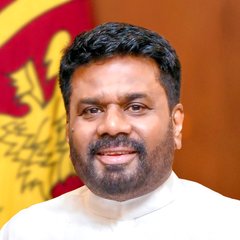
 Sri Lanka ArmyRs. 240 bn+4%222
 Sri Lanka NavyRs. 97.4 bn+6%223
 Sri Lanka Air ForceRs. 79.0 bn+6%224
 Civil Security Department Omitted 2025
 National Cadet CorpsRs. 815 mn−0%in 103
 National Authority for the Implementation of Chemical Weapons ConventionRs. 12 mn+15%in 103
 Sir John Kotelawala Defence UniversityRs. 13.9 bn+6%in 103+
 Defence Services Command and Staff CollegeRs. 282 mn+22%in 103
 Defence Research and Development Centre
 National Defence CollegeRs. 48 mn−20%in 103
 Rakna Arakshana Lanka Ltd.
 Coast Guard Department of Sri LankaRs. 5.3 bn+312%325
 Department of MeteorologyRs. 3.3 bn−24%304
 Disaster Management CentreRs. 470 mn+20%in 103
 National Building Research OrganizationRs. 140 mnnewin 103
 Sri Lanka National Hydrographic Office Inserted 2025
 Department of External Resources
 Department of Inland Revenue
 Sri Lanka Customs
 National Lotteries Board
 Development Lotteries Board
 Department of Valuation
 Department of Import and Export Control
 Central Bank of Sri Lanka
 Insurance Regulatory Commission of Sri Lanka
 Sri Lanka Insurance Corporation and its subsidiaries and affiliated companies
 Credit Information Bureau of Sri Lanka
 Securities and Exchange Commission of Sri Lanka
 Sri Lanka Accounting and Auditing Standard Monitoring Board
 Sri Lanka Export Credit Insurance Corporation
 Housing Development Finance Corporation
 State Mortgage and Investment Bank
 Regional Development Bank
 Department of Census and Statistics
 Institute of Policy Studies
 Sustainable Development Council
 Public Service Mutual Provident Fund
 National Insurance Trust Fund
 Employees’ Trust Fund
 Lady Lochore Fund
 Colombo Port City Economic Commission
 National Credit Guarantee Institution Limited
 Sri Lankan Air Lines Limited and its subsidiaries
 Welfare Benefits Board


 Ceylon Electricity Board and its subsidiary Companies
 Lanka Electricity Company (Pvt) Ltd
 LTL Holdings (Pvt.) Ltd.
 Ceylon Petroleum Corporation
 Ceylon Petroleum Storage Ter- minal Ltd.
 Petroleum Development Authori- ty of Sri Lanka
 Sri Lanka Sustainable Energy Authority
 Sri Lanka Atomic Energy Regu- latory Council
 National System Operator (Pvt) Ltd
 National Transmission Network Service Provider (Pvt) Ltd
 Electricity Distribution Lanka (Pvt) Ltd
 Electricity Generation Lanka (Pvt) Ltd


 Department of Agriculture
 Agriculture and Agrarian Insurance Board
 Hector Kobbekaduwa Agrarian Research and Training Institute
 Sri Lanka Council for Agricultural Research Policy
 National Agricultural Diversification and Settlement Authority
 National Hunger Eradication Campaign Board of Sri Lanka (National Food Promotion Board)
 National Institute of Post-Harvest Management
 Department of Cinnamon Development
 Department of Animal Production and Health
 National Livestock Development Board and affiliated companies
 Milco (Pvt.) Ltd
 Department of Land Commissioner General
 Department of Land Title Settlement
 Land Reform Commission
 Survey Department of Sri Lanka
 Institute of Surveying and Mapping
 Land Survey Council
 Central Engineering Consultancy Bureau and its subsidiaries and affiliated companies
 Mahaweli Consultancy Bureau (Pvt) Ltd
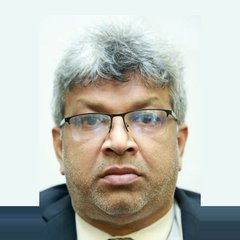

 Attorney General’s Department
 Legal Draftsman’s Department
 Department of Government Analyst
 Law Commission of Sri Lanka
 Legal Aid Commission of Sri Lanka
 Mediation Boards Commission
 Council of Legal Education
 National Authority for the Protection of Victims of Crime and Witnesses
 Rehabilitation Commissioner General’s Office
 National Institute of Language Education and Training
 Office for National Unity and Reconciliation
 Office on Missing Persons
 Office for Reparations
 Sri Lanka Judges Institute
 Rehabilitation Commissioner General's Office

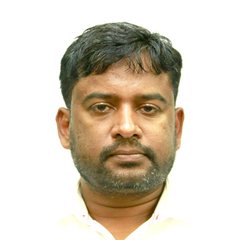
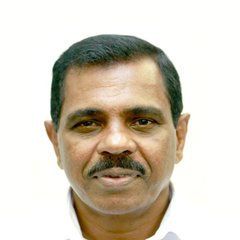
 Department of Examinations
 Department of Educational Publications
 National Institute of Business Management and affiliated institutions
 University of Vocational Technology
 National Institute of Fisheries and Nautical Engineering (Ocean University)
 Ocean University of Sri Lanka
 Vocational Training Authority of Sri Lanka
 National Apprenticeship and Industrial Training Authority
 Ceylon German Technical Training Institute
 Department of Technical Education and Training
 Tertiary and Vocational Education Commission
 Buddhasravaka Bhikku University
 Buddhist and Pali University of Sri Lanka
 Sri Lanka Institute of Advanced Technological Education
 Department of Probation and Childcare Services
 National Child Protection Authority
 National Secretariat for Early Childhood Development
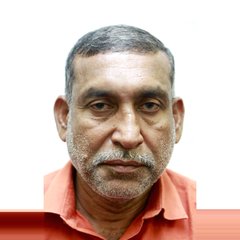
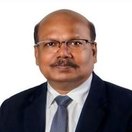
 Department of Commerce
 Mahapola Trust Fund
 Sri Lanka Accreditation Board for Conformity Assessment
 Department of Measurement Units, Standards and Services
 National Intellectual Property Office of Sri Lanka
 Department of Co-operative Development (Registrar of Co-operative Societies)
 National Institute of Co-operative Development
 Sri Lanka State Trading Corporation
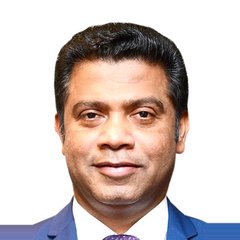
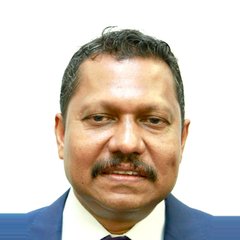


 Sri Lanka Medical Council
 Private Health Services Regulatory Council
 Sri Lanka Thriposha Co. Ltd.
 Sri Lanka Nursing Council
 Sri Jayewardenepura General Hospital
 Ashraff Memorial Hospital
 National Authority on Tobacco and Alcohol
 1990 Suwaseriya Foundation
 State Pharmaceutical Corporation
 State Pharmaceutical Manufacturing Corporation
 National Medicines Regulatory Authority
 Department of Government Printing
 Department of Government Information
 Sri Lanka Press Council
 Sri Lanka Broadcasting Corporation
 Independent Television Network
 Sri Lanka Rupavahini Corporation
 Associated Newspapers of Ceylon Ltd.
 Sri Lanka Foundation
 Postal Department
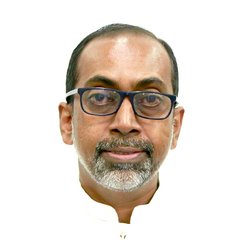
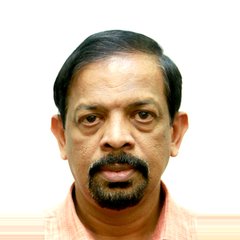


 Department of Buddhist Affairs
 Department of Christian Religious Affairs
 Department of Muslim Religious and Cultural Affairs
 Department of National Museums
 Department of National Archives
 Department of Public Trustee
 Central Cultural Fund
 Department of Cultural Affairs
 Department of Archaeology
 Tower Hall Theatre Foundation
 National Arts Council
 Galle Heritage Foundation
 J.R. Jayewardene Centre
 National Film Corporation


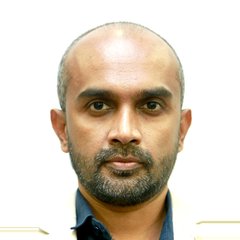
 Road Development Authority and its subsidiaries and affiliates
 National Transport Commission
 National Council for Road Safety
 Sri Lanka Transport Board
 National Transport Medical Institute
 Department of Motor Traffic
 Urban Development Authority
 Urban Settlement Development Authority
 Condominium Management Authority (Common Amenities Board)
 National Physical Planning Department
 Sri Lanka Land Development Corporation and its subsidiaries and related institutions
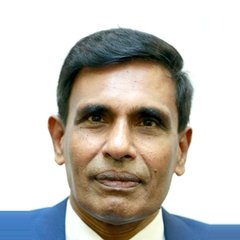
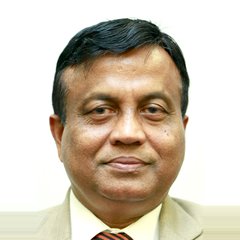
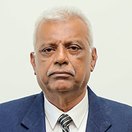
 Sri Lanka Police
 National Police Academy
 Department of Immigration and Emigration
 National Dangerous Drugs Control Board
 Civil Security Department
 Bureau of Rehabilitation
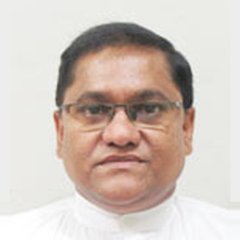

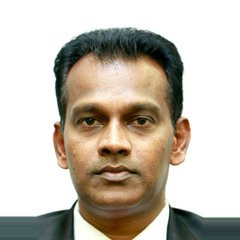

 Lakshman Kadirgamar Institute for International Relations and Strategic Studies
 Sri Lanka Foreign Employment Bureau
 Foreign Employment Agency of Sri Lanka (Pvt.) Ltd
 Sri Lanka Tourism Development Authority
 Sri Lanka Institute of Tourism and Hotel Management
 Sri Lanka Convention Bureau
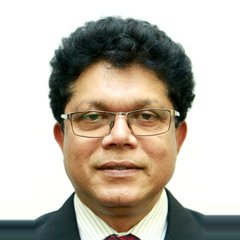
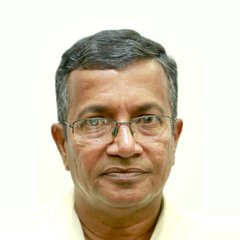

 Geological Survey and Mines Bureau
 GSMB Technical Services (Pvt) Ltd.
 Sri Lanka Climate Fund (Pvt) Ltd
 Marine Environment Protection Authority
 Department of Coast Conservation and Coastal Resource Management
 Department of Forest Conservation
 Department of National Zoological Gardens
 State Timber Corporation
 Water Resources Board
 Department of National Botanic Gardens

 Sri Lanka Ports Authority and its Subsidiaries and Associates
 Ceylon Shipping Corporation Ltd
 Civil Aviation Authority of Sri Lanka
 Airport and Aviation Services (Sri Lanka) Ltd.
 Sri Lankan Airlines and its subsidiaries
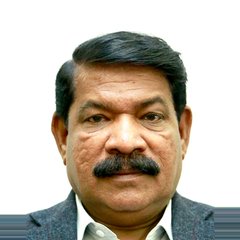
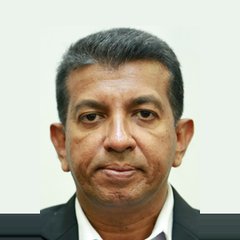

 Department of Fisheries and Aquatic Resources
 National Aquaculture Development Authority
 Ceylon Fishery Harbours Corporation
 Cey-Nor Foundation Ltd
 North sea Ltd

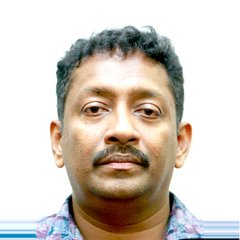
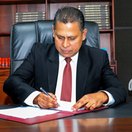
 Department of Pensions
 Sri Lanka Institute of Development Administration
 National Human Resources Development Council of Sri Lanka
 Department of Registrar General
 Local Loans and Development Fund
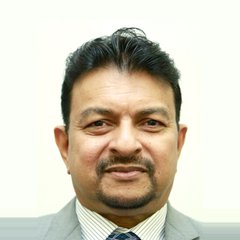
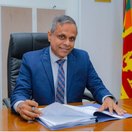
 Department of Labour
 National Institute of Labour Studies
 National Institute for Occupational Safety and Health
 Office of the Commissioner of Workmen’s Compensation
 Department of Manpower and Employment
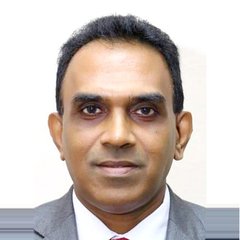

 National Institute of Fundamental Studies
 Sri Lanka Inventors’ Commission
 National Engineering Research and Development Centre
 Arthur C. Clarke Institute for Modern Technologies
 National Innovation Agency
 National Science and Technology Commission
 Sri Lanka Institute of Nanotechnology (Pvt) Ltd.
 Sri Lanka Institute of Biotechnology (Pvt) Ltd.
 Industrial Technology Institute
 Sri Lanka Standards Institute
 Sri Lanka Atomic Energy Regulatory Council.
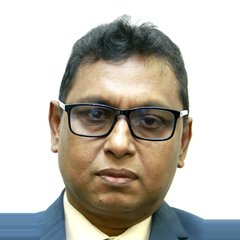
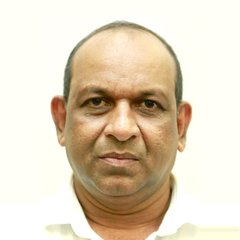
 Department of Samurdhi Development
 National Institute of Social Development
 Social Security Board
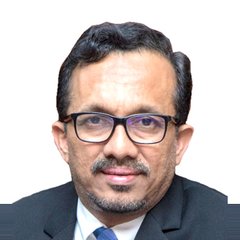

 Ceylon Industrial Development Board
 National Paper Corporation Ltd.
 Kahatagaha Graphite Lanka Ltd
 National Enterprise Development Authority
 National Crafts Council
 National Design Centre
 National Gem and Jewellery Authority
 Gem and Jewellery Research and Training Institute
 Lanka Phosphate Limited
 National Salt Limited
 Paranthan Chemicals Ltd
 Lanka Sugar Company (Pvt) Ltd.
 Galoya Plantation (Pvt) Company
 Sugar Cane Research Institute
 National Productivity Secretariat
 Sri Lanka Export Development Board
 Geological Survey and Mines Bureau,
 GSMB Technical Services (Pvt) Ltd
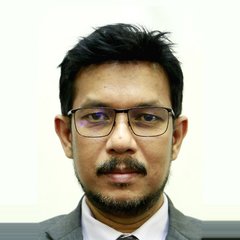
 Sri Lanka Telecom and its Subsidiaries and Allied Institutions
 Information and Communication Technology Agency and Allied Institutions
 Sri Lanka Computer Emergency Readiness Team
 Data Protection Authority of Sri Lanka
 Department of Registration of Person
 Telecommunication Regulatory Commission of Sri Lanka and Allied Institutions
 Colombo Lotus Tower Management Company (Pvt) Ltd
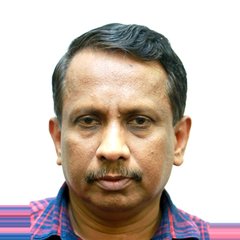
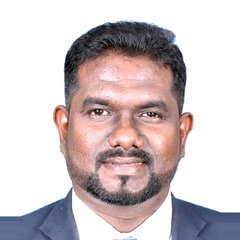

 Plantation Human Development Trust
 National Institute of Plantation Management
 Sri Lanka Tea Board
 Tea Research Institute
 Department of Rubber Development
 Rubber Research Institute
 Sri Lanka Cashew Corporation
 Palmyrah Development Board
 Department of Cinnamon Development
 Sri Lanka State Plantation Corporation
 Chilaw Plantation Company Ltd
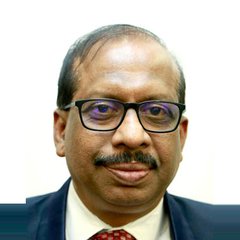

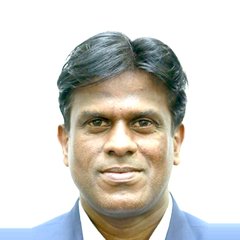
 National Youth Services Council
 National Youth Corps
 Institute of Sports Medicine
 Sri Lanka Anti-doping Agency
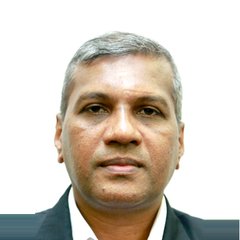
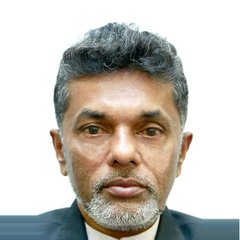

 National Housing Development Authority
 Building Material Corporation Limited
 Department of Buildings
 Department of Government Factories
 Construction Industry Development Authority
 Ocean View Development (Pvt) Ltd.
 State Engineering Corporation
 National Water Supply and Drainage Board
 Engineering Council Sri Lanka
 Construction Guarantee Fund